
It takes a village: how Blue Dragon shares knowledge and strengthens communities to end human trafficking
November 2, 2026
Across rural provinces in Vietnam, Blue Dragon is working to prevent human trafficking before it happens. Led by local community leaders, Blue Dragon’s Anti-Trafficking Boards are the safety nets that are keeping nearly 55,000 people safe from exploitation. Blue Dragon is advocating for this community-led approach to be adopted by the government across Vietnam.
When Giang realised his daughter, Phuong, and her friend Ta were missing, he was terrified. Finally being able to reach them by phone, Giang learnt that the girls had found work in another country to support their families and were about to cross the border.
Sensing something was wrong, Giang contacted the police. Working along with members of the community’s Anti-Trafficking Board, they searched for the girls before they were taken across the border and were able to bring them back home to their families, saving them from the risk of exploitation.
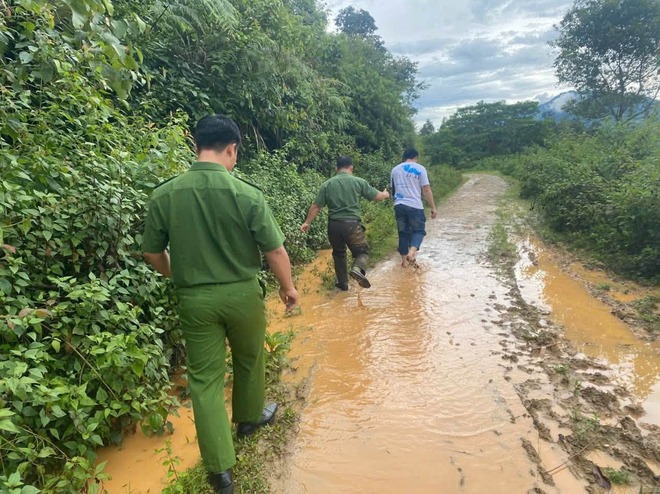
The police, along with a Blue Dragon social worker, on the way to meet Ta, Phuong and their families.
Stories like Phuong and Ta’s show how local knowledge can help prevent human trafficking. This is why Blue Dragon is strengthening our network of Anti-Trafficking Boards, bringing communities together to recognise risks and respond before someone is exploited.
Throughout 2026, Blue Dragon has been working with Boards across the country, modifying training to help members adapt to the needs of their community. In the rural mountainous province of Dien Bien, this has included adjusting training to reflect changes in local government structures and the distinct responsibilities across its two administrative levels. While commune-level leaders act as focal points for coordination across communes’ villages, village-level officials are in close contact with the citizens.
Blue Dragon conducted the first of a series of sessions that brought together more than 20 local officials for two days of practical training.
Training communities to recognise risk
These sessions are an important opportunity to strengthen local knowledge and make sure the boards have the skills they need to protect their communities. During the training in Dien Bien, rather than simply learning about human trafficking, participants worked through an important question: What should I do if I meet someone who may be vulnerable to exploitation?
They explored how a Board works, the roles of different members and how to communicate and coordinate when a concern is identified.
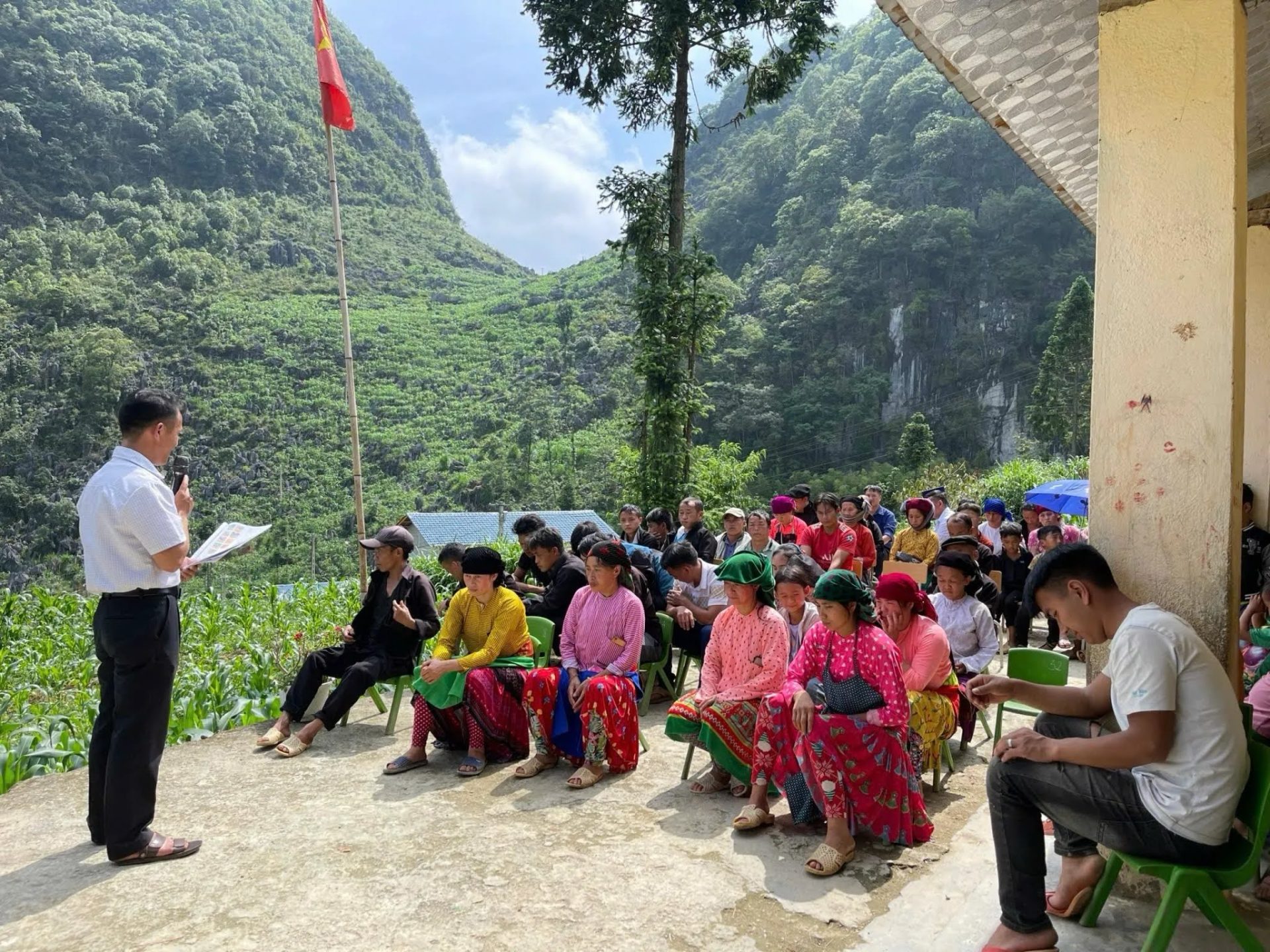
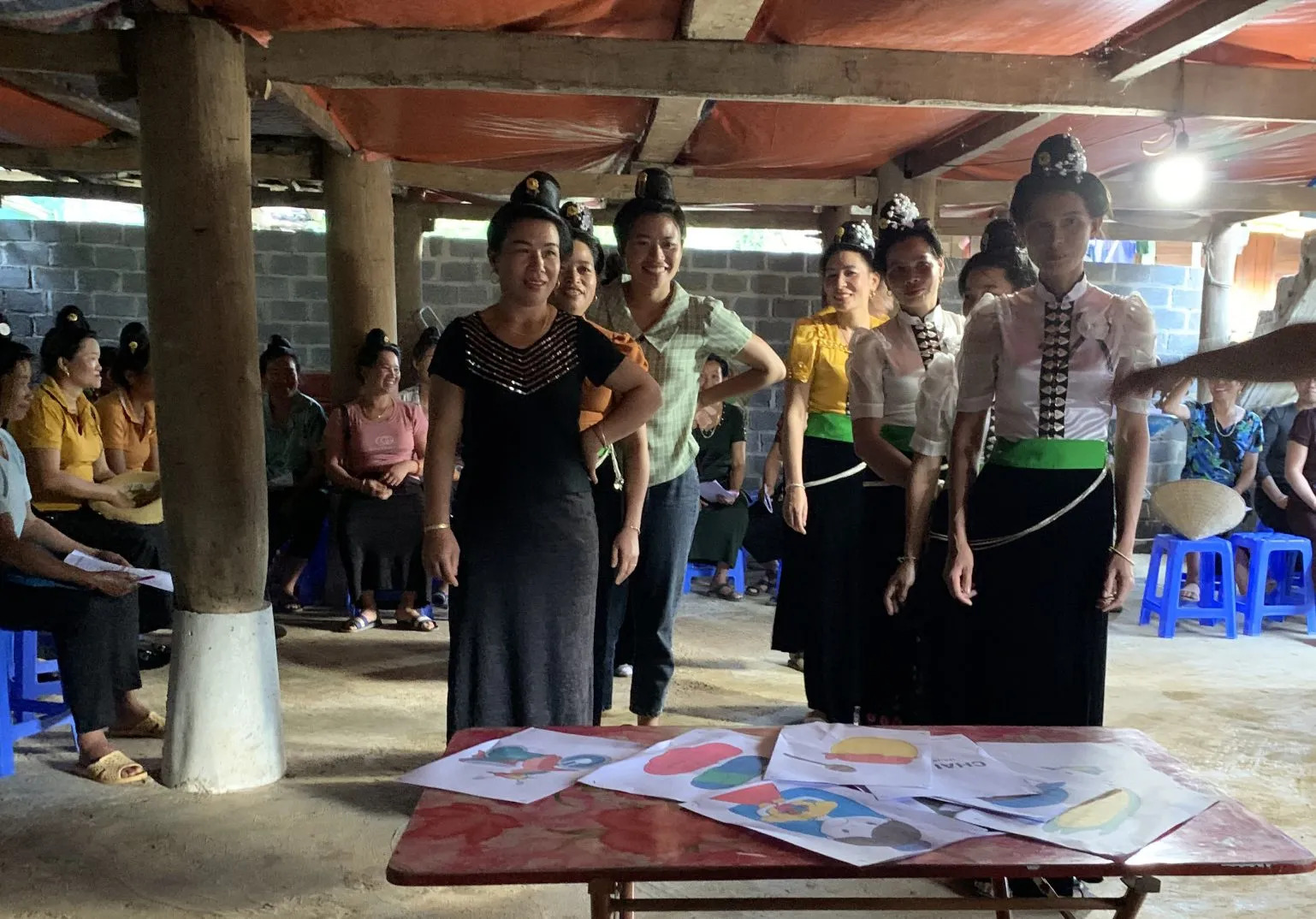
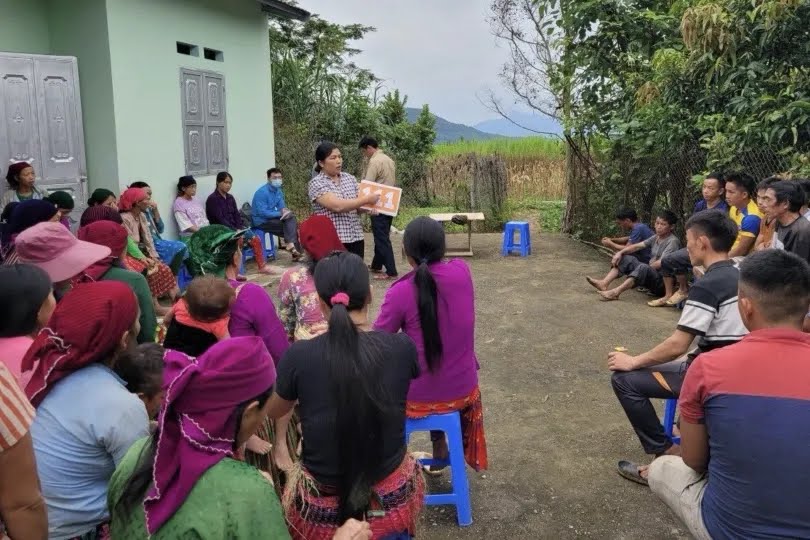
The Boards reflect the diversity in the local communities.
The training used real-life situations that local officials may actually encounter in their daily work. This practical approach helps turn knowledge into something new Board members can use to protect people when they return to their communities.
What’s in a Board
Anti-Trafficking Boards are set up in remote, rural areas where the risk of human trafficking is prevalent. The Boards are formed of leaders from different parts of a local community, including government institutions, police, schools and health services. Together, they build the knowledge and connections needed to identify risks and help people access support.
The first of these Boards was established in a remote village of northern Vietnam in 2019. Since then, Blue Dragon has widened this community-led network of Boards all across the country, reaching tens of thousands of people.
Together, this network of Boards is keeping nearly 55,000 people safe from human trafficking every year. By 2030, Blue Dragon aims to expand this to 100,000 people.
Being made up of members of the community is an important feature of any Board. It means that they are able to adapt and respond to circumstances that affect them locally and beyond.
Action starts before trafficking happens
People who live locally are often the first to notice when something is not right. With the right knowledge and support, they can act before a risky situation becomes something much more serious.
For Blue Dragon, prevention is an important part of ending human trafficking. A Board member does not need to wait until someone has been trafficked before taking action.
A suspicious job offer, a child leaving school or a person preparing to migrate for work can all be signs that someone may need support.
When local people know what to look for, they can ask questions, understand the situation and connect people with the right support.
This is especially important in rural communities, where local officials and community leaders often know the families they work with and understand the challenges people face.
Commune-level Board members identify trafficking risks, coordinate responses and connect people with the right support. Village-level members, who live closer to the families they serve, may be the first to notice when someone’s circumstances change or when a person may be at risk. Both play an important role in making sure concerns are recognised and addressed.
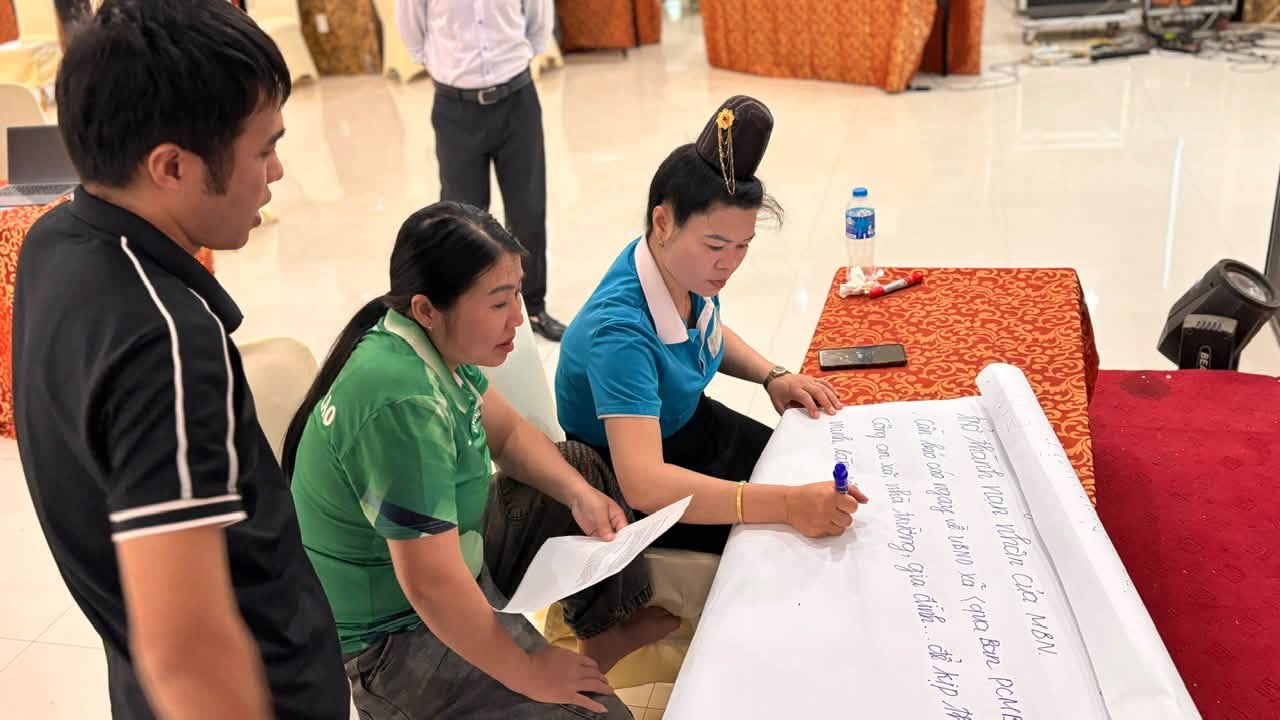
The training sessions are adjusted based on the roles of people in that community.
In Dien Bien, Blue Dragon has separated training for commune-level and village-level members for the first time, allowing each group to focus on the situations they are most likely to encounter. This is part of Blue Dragon’s effort to ensure the Boards have the knowledge and connections they need to protect their communities as local needs and structures change.
Building knowledge that stays in the community
The training is part of Blue Dragon’s wider work to strengthen the knowledge and skills of Anti-Trafficking Boards across Vietnam.
By providing practical training and helping local leaders build connections across their communities, Blue Dragon aims to make this knowledge and capacity last beyond individual training sessions.
The goal is for leaders to have the knowledge, skills and connections to protect their own communities.
Ta and Phuong’s story shows how much difference it can make when local people recognise the warning signs and know how to respond.
Blue Dragon is working to extend this kind of local protection to more of the 16 million people in the country who are vulnerable to human trafficking. As the network grows, Blue Dragon aims to work with provincial authorities and the national government to encourage wider adoption of this community-led approach.
By equipping local communities with the knowledge, skills and connections to act early, Anti-Trafficking Boards can help prevent human trafficking before it happens.

